How to Select a 3-Season Tent Under 2 Kilograms
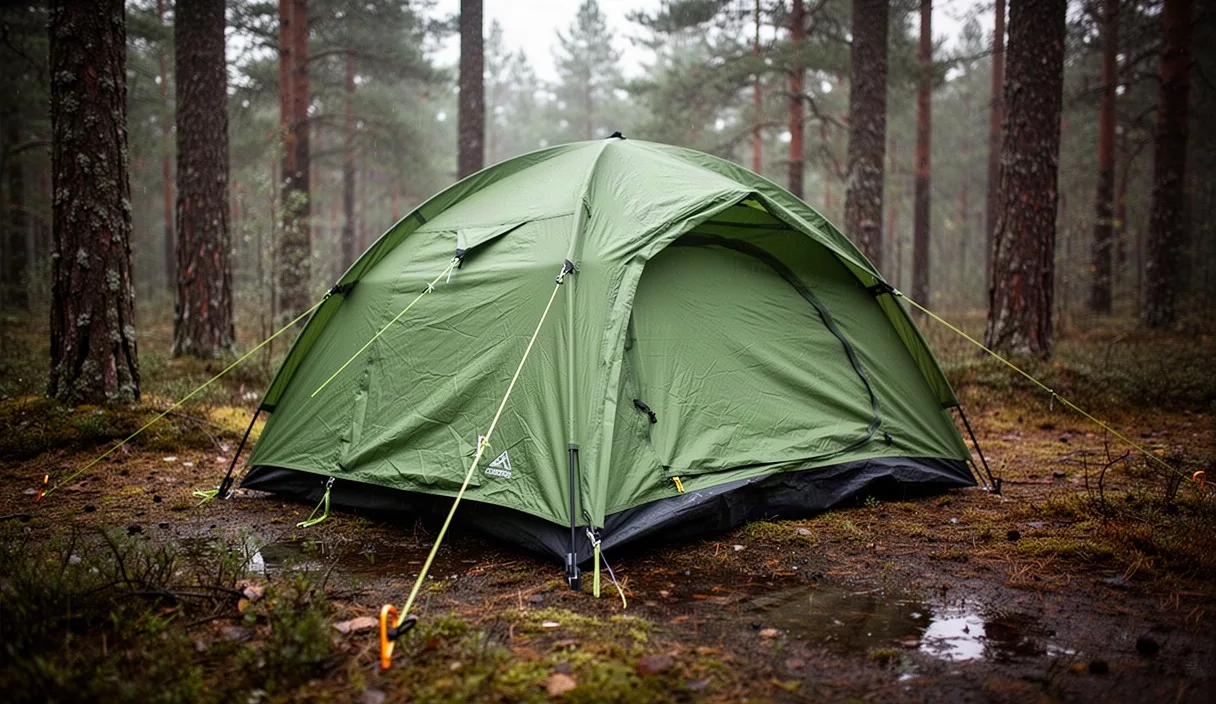
Learn how fabric denier, pole geometry, and vestibule volume dictate shelter durability. Cut pack weight without compromising stability during heavy regional rainstorms.
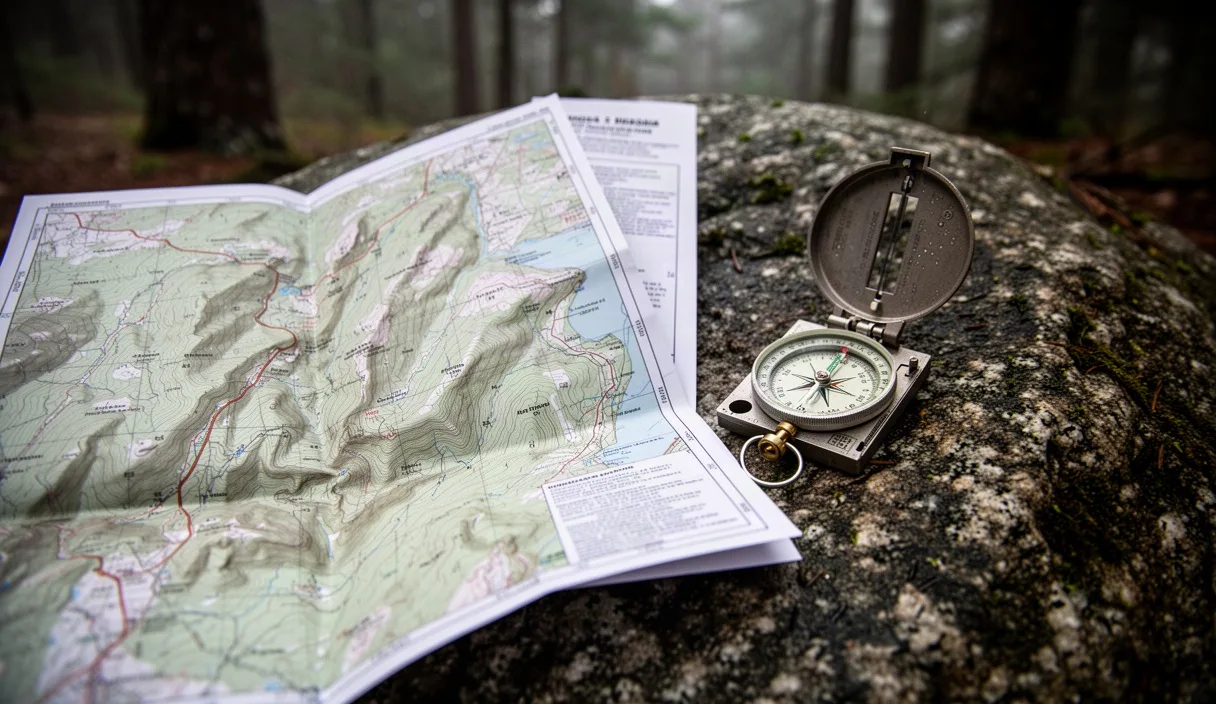

Master contour lines, index intervals, and magnetic declination adjustments for deep forest navigation. Stay oriented when dense tree canopies block satellite navigation signals.
Compare hollow-fiber gravity bags against chlorine dioxide tablets for regional stream sources. Pick the right purification method based on turbidity, camp size, and wait times.
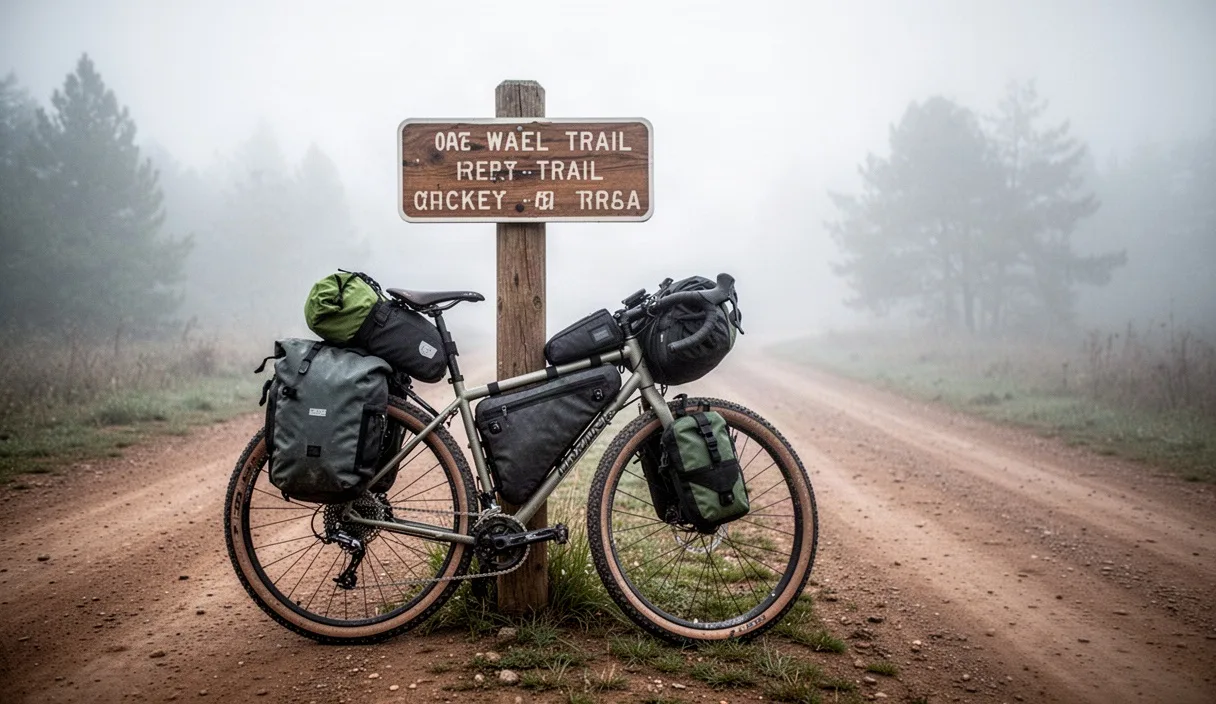
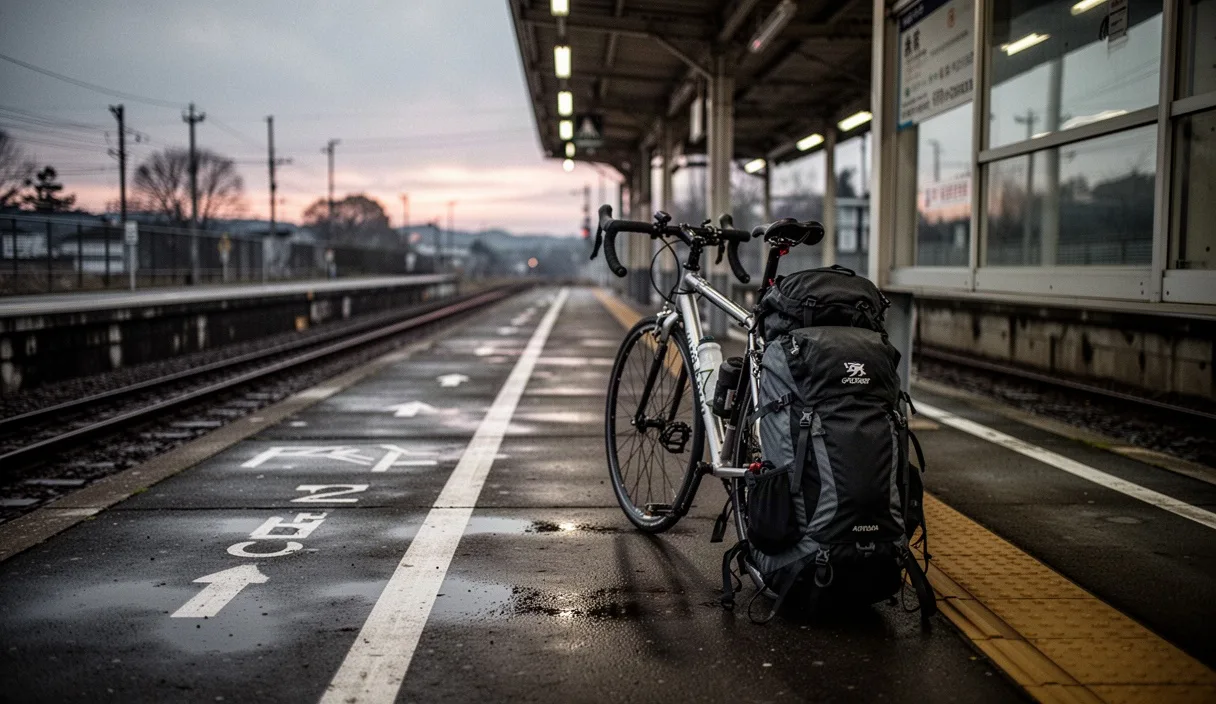
Map a reliable gravel circuit linking regional train stations with unpaved secondary routes. Balance gear strapping, food resupply timing, and wild camp selection.
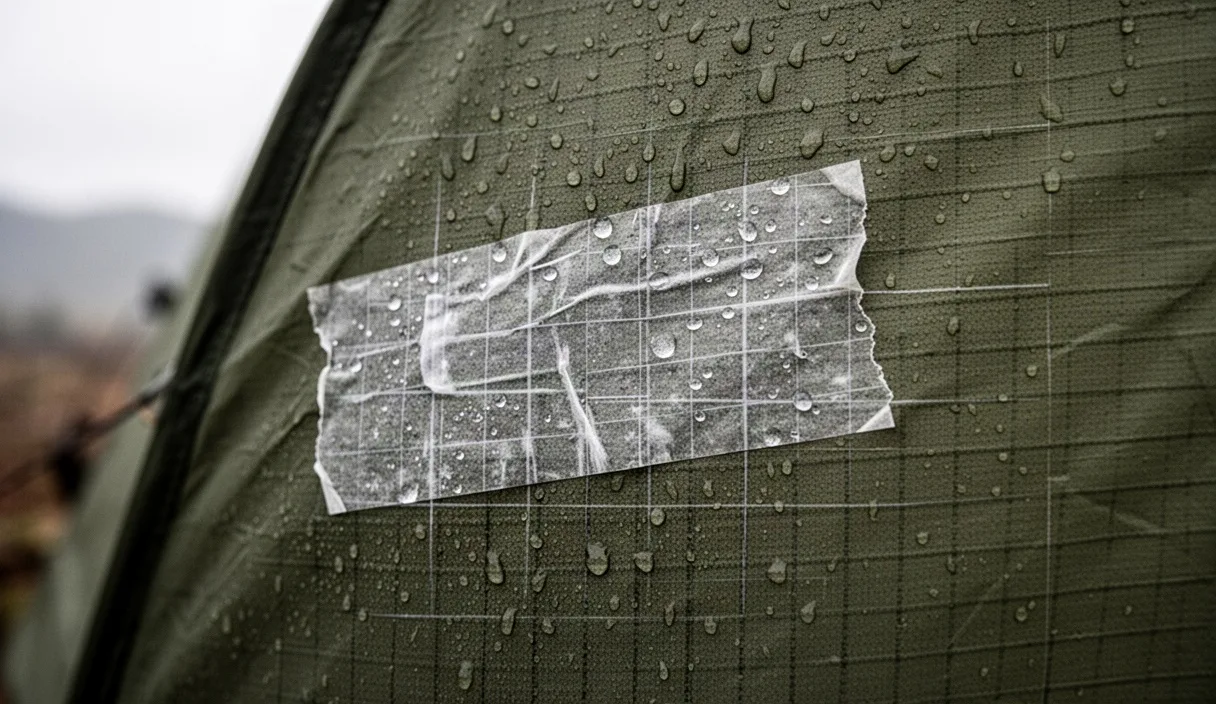
Fix canopy punctures, blown pole sleeves, and floor tears using pressure-sensitive adhesive tapes. Prevent small fabric stress failures from ruining a multi-day hike.
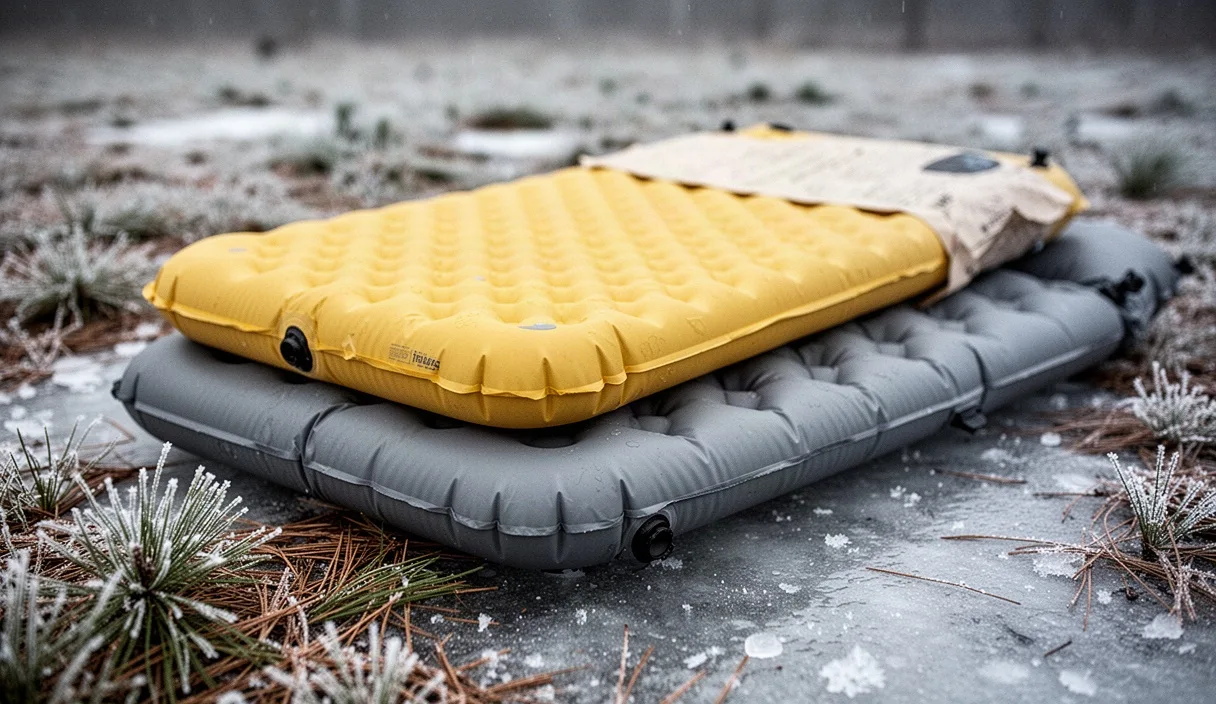
Understand ASTM standard R-value ratings and their direct impact on conductive body heat loss. Stack foam and inflatable pads to stay warm on sub-zero ground surfaces.
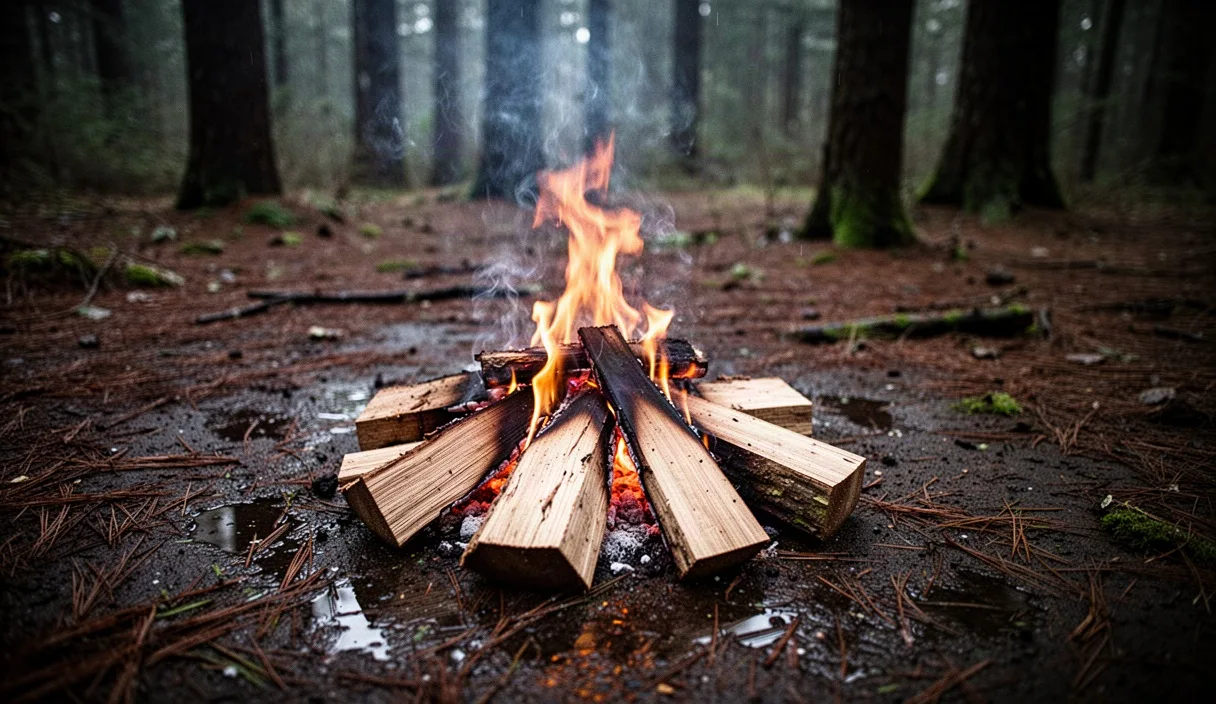
Locate dry resinous fatwood and harvest dead standing timber during extended downpours. Build a reliable heat base using proven split-wood fire building geometry.
Streamline boarding procedures with bulky backpacks and fully loaded gravel bikes on early trains. Avoid transit bottlenecks and conductor disputes with simple staging tactics.
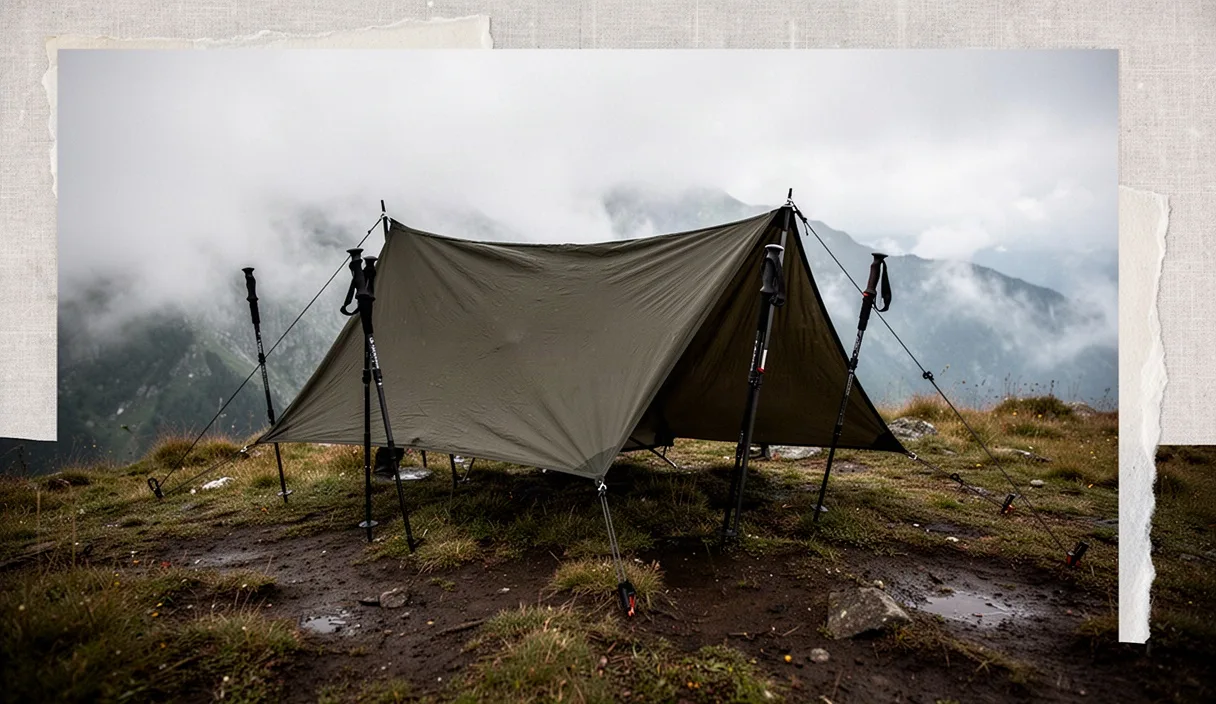
Evaluate condensation management, setup speed, and rain coverage between flat tarps and waterproof bivies. Choose the right minimalist shelter for high-mileage solo itineraries.
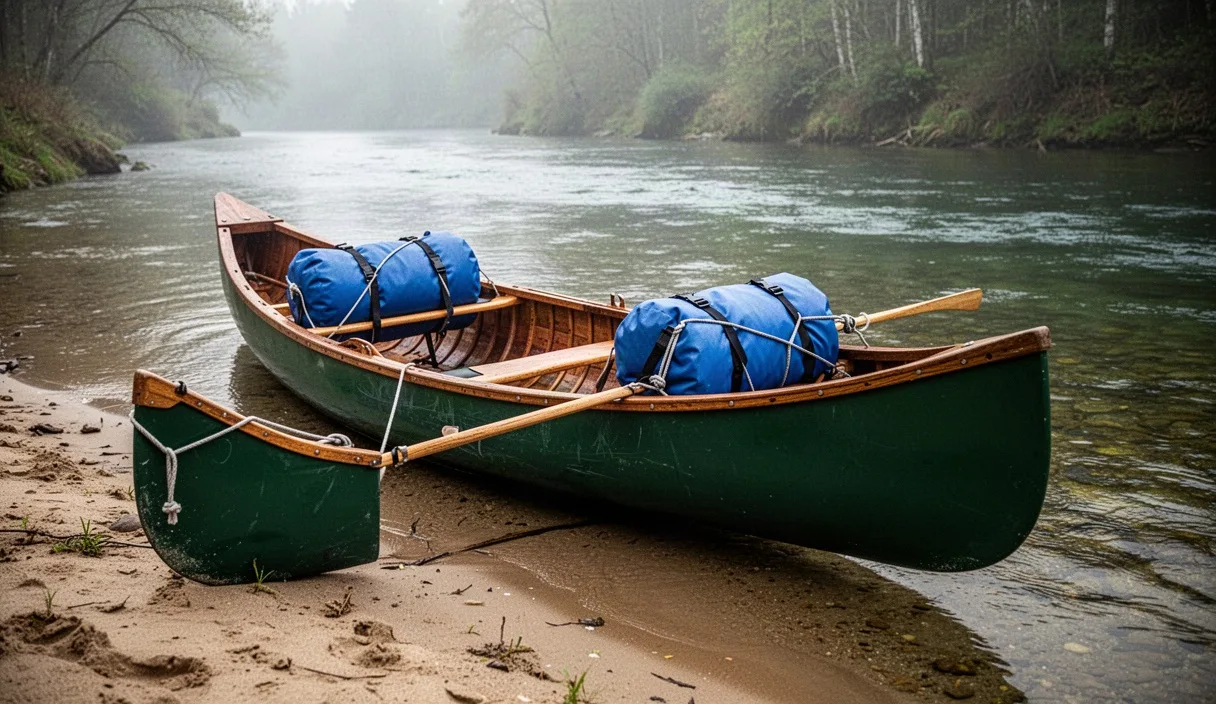
Secure dry barrels, balance canoe trim, and plan portage transfers for smooth 48-hour river runs. Travel self-contained without risking capsizes or wet bedding.